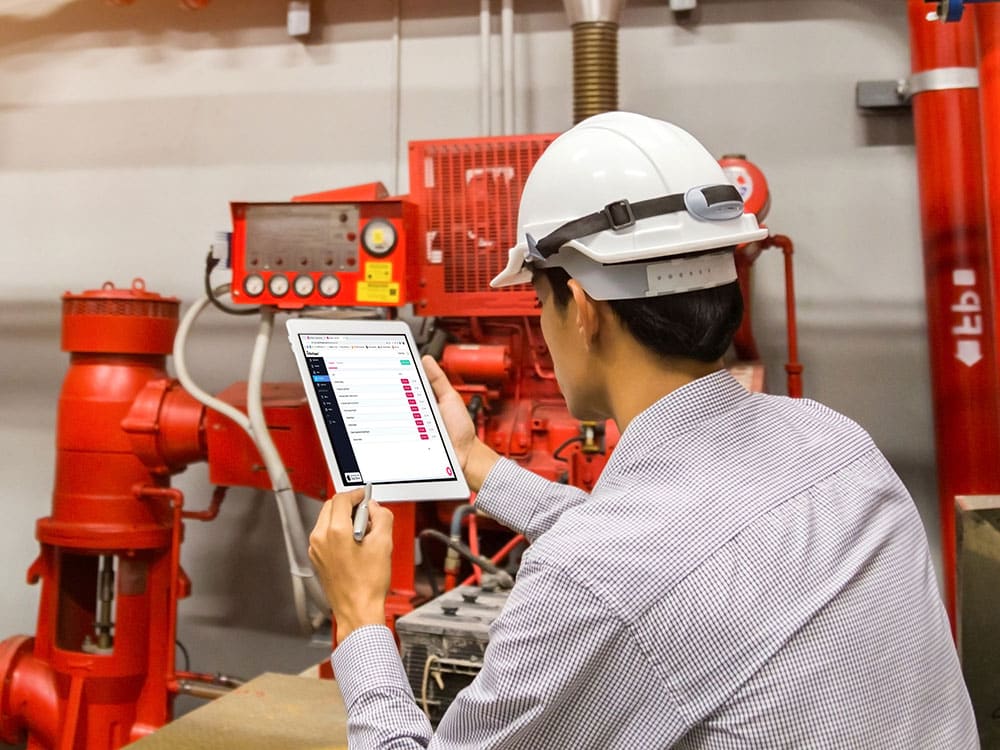
Fire system inspections play a critical role in protecting people, property, and business operations. In today’s environment—where safety regulations are increasingly strict and the consequences of non-compliance can be severe—effective deficiency management is essential for any organization responsible for fire protection systems.
Whether in a commercial office building, healthcare facility, residential complex, or industrial site, fire safety depends not only on conducting thorough inspections but also on identifying, tracking, and resolving deficiencies quickly and efficiently.
Modern inspection software is transforming how organizations manage these responsibilities.
The Importance of Managing Inspection Deficiencies
During fire system inspections, technicians often discover deficiencies that require attention. These can include faulty devices, damaged components, documentation issues, or procedural gaps that could compromise system performance during an emergency.
Addressing these deficiencies promptly is critical for several key reasons.
Compliance and Life Safety
Correcting deficiencies ensures fire protection systems operate as intended during emergencies and remain compliant with codes and standards such as NFPA requirements and local regulations.
Risk Mitigation
Unresolved deficiencies increase the risk of system failure and potential fire incidents. Proper tracking and resolution help protect occupants, assets, and business operations.
Operational Continuity
Maintaining fire protection systems in optimal condition reduces disruptions, protects insurance coverage, and minimizes potential liability for building owners and operators.
Effective deficiency management is therefore not simply an administrative task—it is a vital component of life safety and responsible facility management.
The Challenges of Manual Deficiency Tracking
Historically, many inspection companies have relied on paper reports, spreadsheets, or disconnected systems to track deficiencies. While these methods may work for small operations, they quickly become inefficient and error-prone as inspection programs scale.
Common challenges include:
- Difficulty tracking deficiency status Teams often struggle to monitor which issues have been resolved, which remain open, and which require follow-up.
- Inefficient reporting Generating professional reports for customers, regulators, or internal stakeholders can be time-consuming and inconsistent.
- Limited visibility into trends Without centralized data, it becomes difficult to identify recurring issues, equipment patterns, or systemic problems across facilities.
As inspection programs grow and compliance requirements increase, manual systems simply cannot keep up.
How Software Transforms Deficiency Management
Specialized fire inspection software dramatically improves how deficiencies are captured, managed, and resolved.
Centralized Inspection Data
Inspection software provides a secure, centralized database for storing all inspection results and deficiency records. Technicians, managers, and customers can access accurate information whenever it is needed.
Real-Time Updates
Technicians can document deficiencies directly from the field using mobile devices, instantly updating the system and providing real-time visibility into inspection results.
Automated Notifications
Automated alerts notify responsible parties when deficiencies are identified or when corrective actions are overdue. This ensures nothing falls through the cracks.
Professional Compliance Reporting
Modern inspection platforms generate clear, customizable reports that align with regulatory standards and provide stakeholders with immediate insight into system performance and compliance status.
Analytics and Trend Insights
Advanced platforms allow organizations to analyze deficiency trends over time, helping identify recurring problems and enabling proactive maintenance strategies.
By turning inspection data into actionable insights, software helps companies move from reactive problem-solving to proactive risk management.
Choosing the Right Fire Inspection Software
When evaluating deficiency management software, organizations should consider several important factors:
- Scalability to support growing inspection programs
- Ease of use for technicians in the field
- Integration capabilities with service management and business systems
- Compliance-ready reporting aligned with industry standards
- Cloud accessibility for real-time data access and updates
Cloud-based inspection platforms are becoming the preferred solution because they allow teams to access data anywhere, reduce IT complexity, and continuously improve through automatic updates.
The Future of Fire System Inspections
As regulatory expectations continue to increase, the ability to effectively manage inspection deficiencies will only become more important.
Organizations that adopt specialized inspection software gain significant advantages:
- Improved compliance and safety
- Faster resolution of deficiencies
- Better visibility into system performance
- More efficient inspection operations
Ultimately, technology enables inspection companies and facility managers to uphold their commitment to safety while improving operational efficiency.
Conclusion
Managing deficiencies discovered during fire system inspections is one of the most critical responsibilities for organizations responsible for life safety systems. Manual processes are no longer sufficient for the complexity and scale of modern inspection programs.
By leveraging specialized inspection software, companies can streamline deficiency tracking, improve regulatory compliance, and maintain safer environments for occupants and assets.
Technology-driven deficiency management is not just a convenience—it is becoming a fundamental requirement for modern fire protection operations.